What we do

Research

The Power Quality & Resilience Laboratory (PQR Lab), led by Dr. Paul Moses, is actively engaged in research in the following areas: resilient and self-healing smart grids; suppressing chaotic and dynamical electromagnetic transient interactions in converter-dominated power systems; smart power protection devices; condition monitoring and diagnostics for electrical insulation of electrical machinery operating in distorted electrical environments; and underwater acoustics and sonar systems.

We have expertise in advanced electromagnetic transient and dynamic modeling, simulation and experimentation of power devices, diagnostic and condition monitoring of insulation systems and systems integration of sustainable energy resources. The laboratory is also developing research capabilities in underwater acoustics and sonar, including acoustic propagation, sensing, and sonar array signal processing for naval applications.

Research Areas

Nine active directions
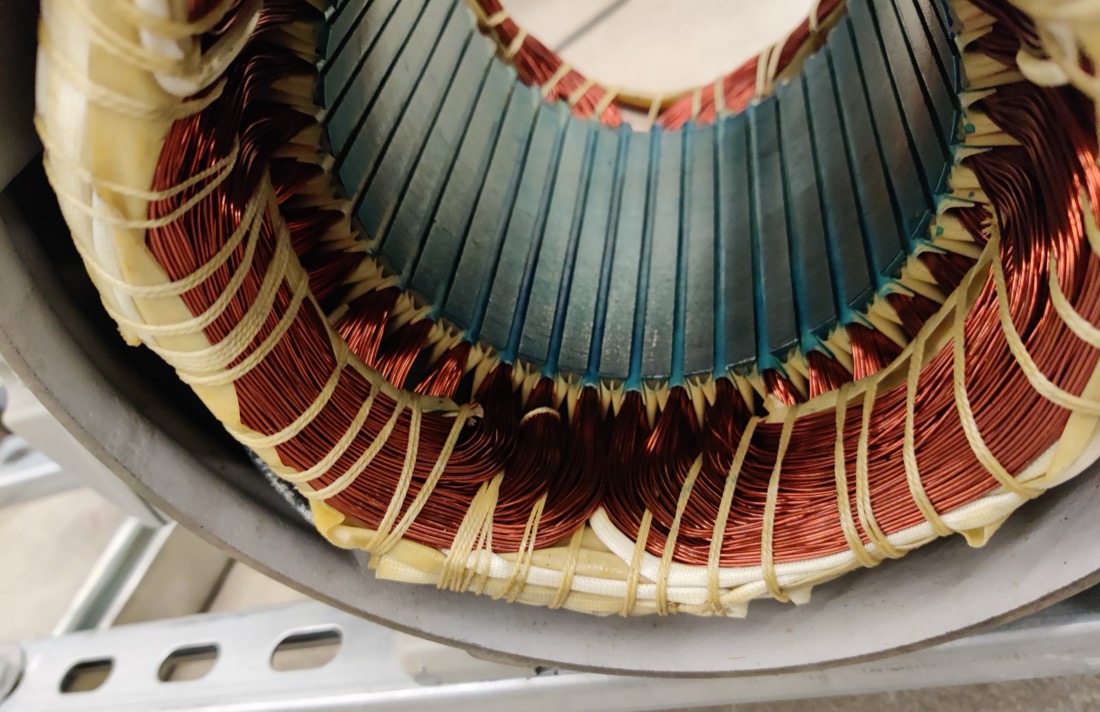
Electrical machine insulation testing
1

Insulation aging of electrical machinery operating under distorted conditions
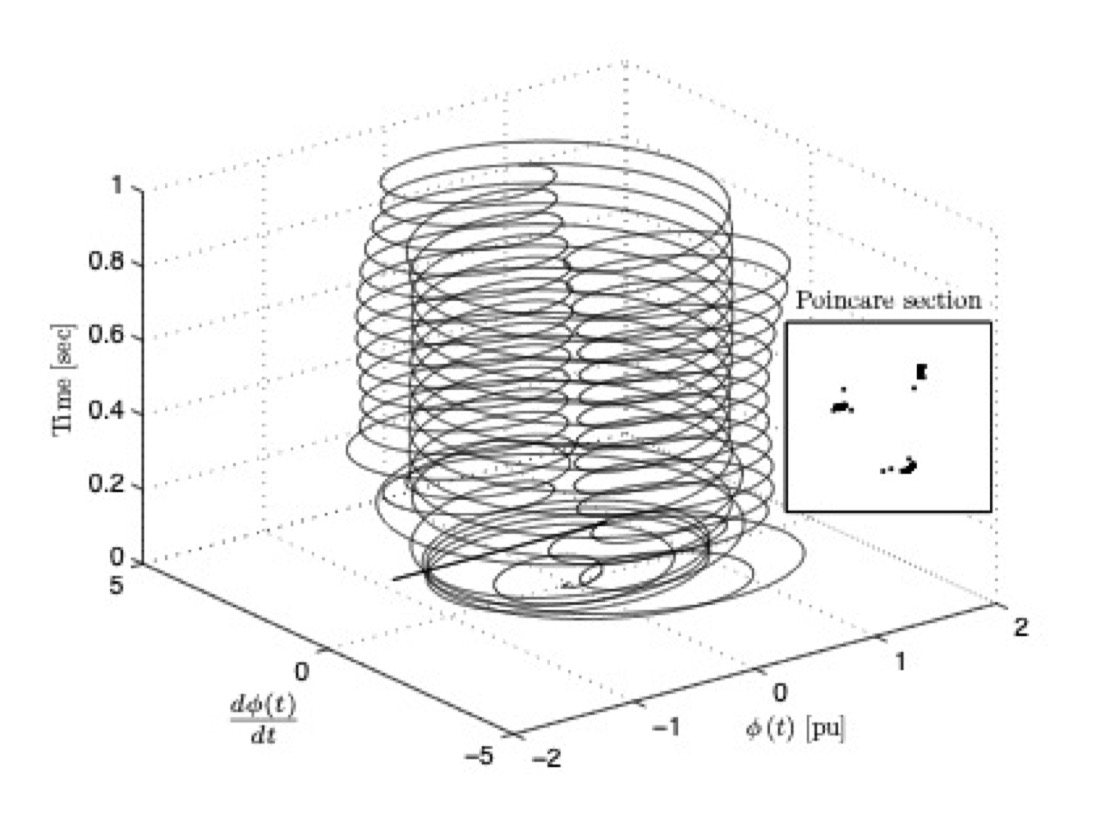
Nonlinear dynamics
2

Dynamical and chaotic disturbances of inverter-based resources interacting with electrical machines and transformers
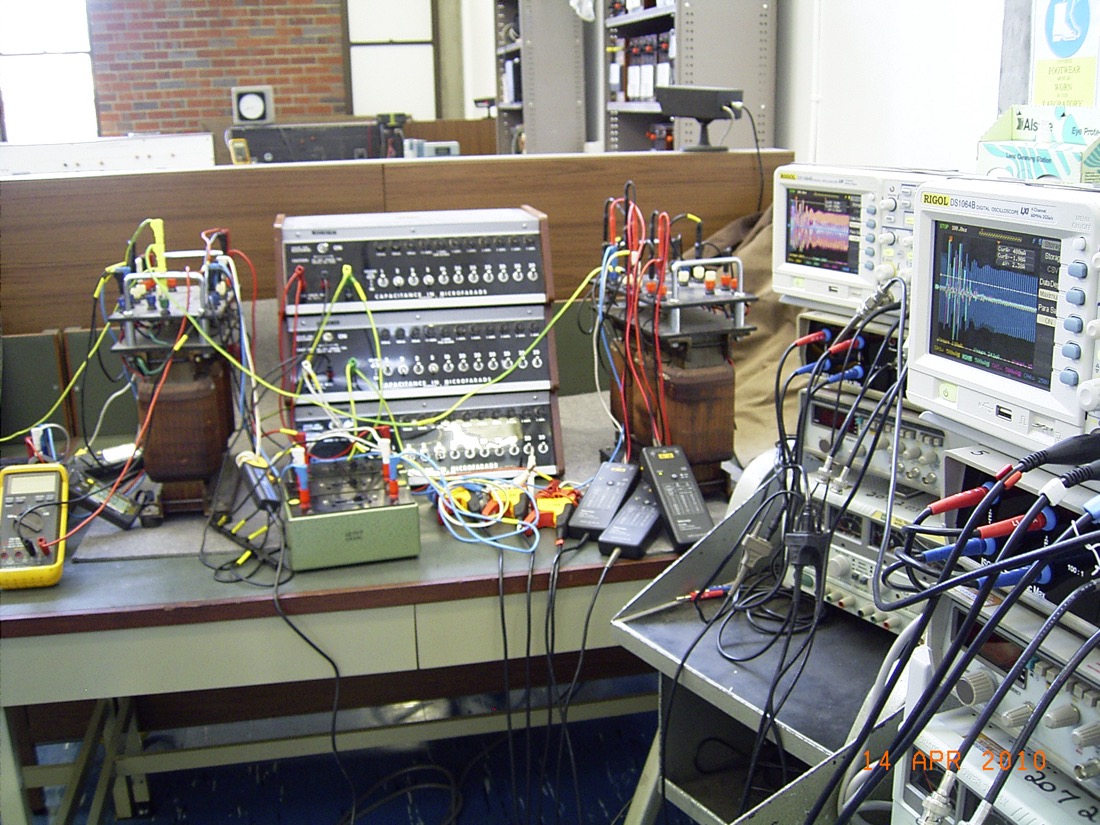
Laboratory experiment
3

Mitigation approaches for nonlinear electromagnetic transient disturbances
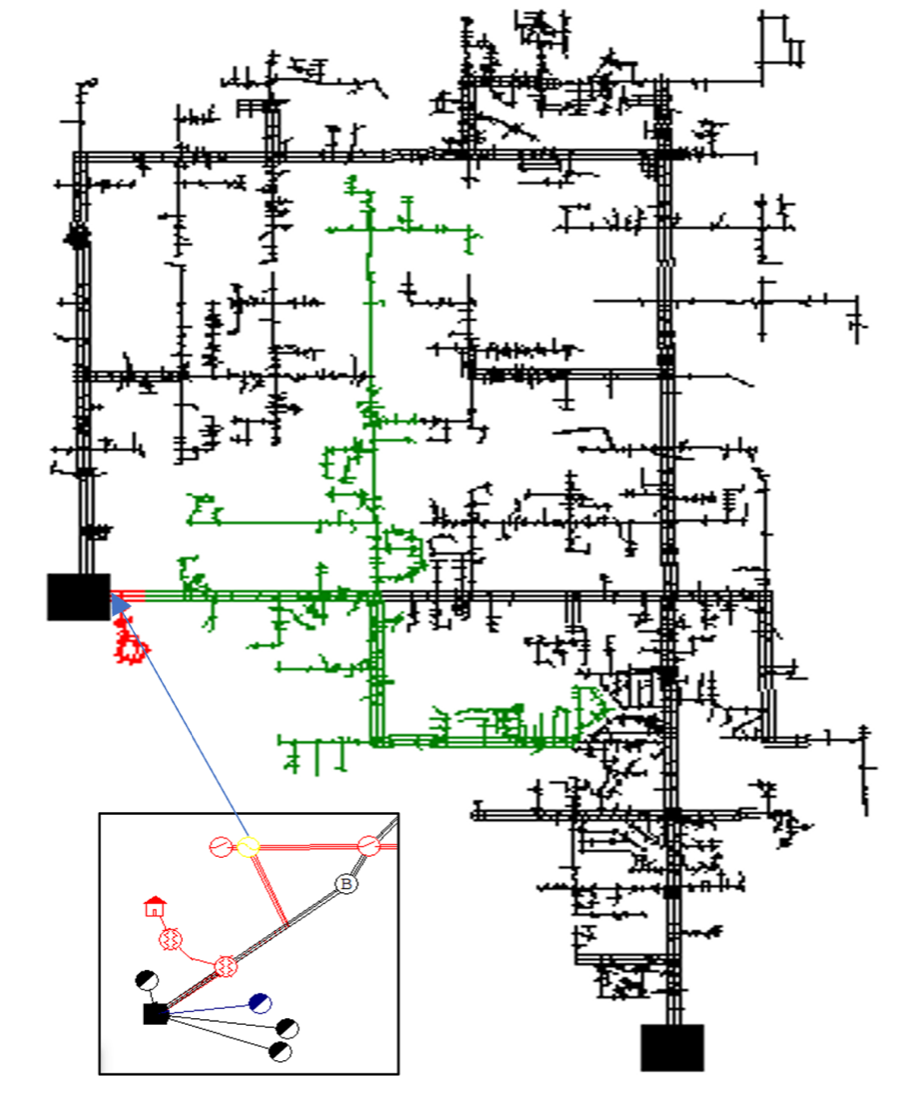
Infrastructure resilience and network restoration
4

Infrastructure resilience and network restoration

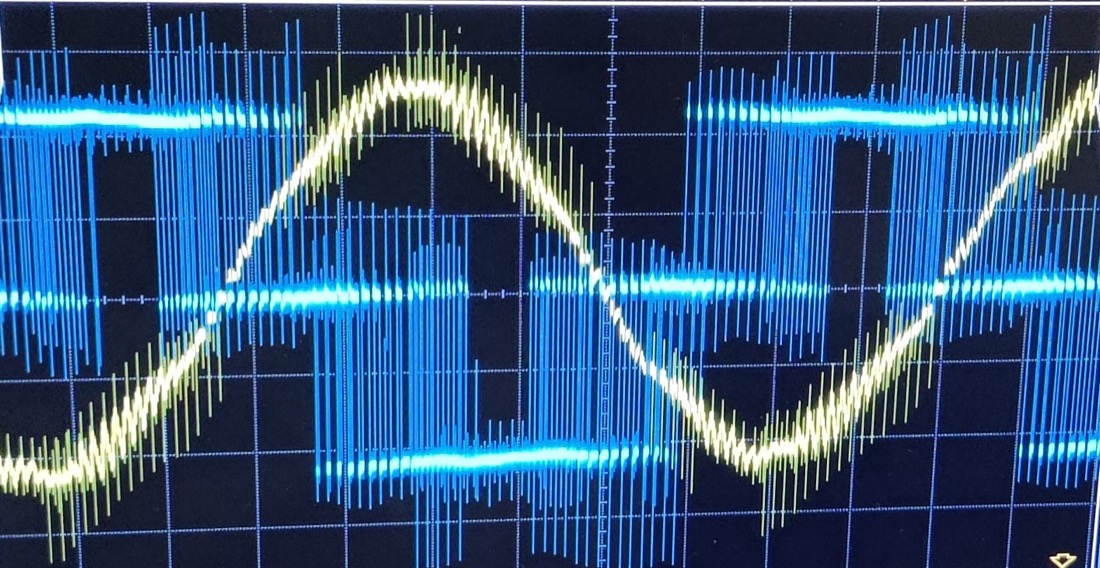
Power quality oscilloscope measurement
5

Improvement of power quality in transmission and smart grid distribution systems
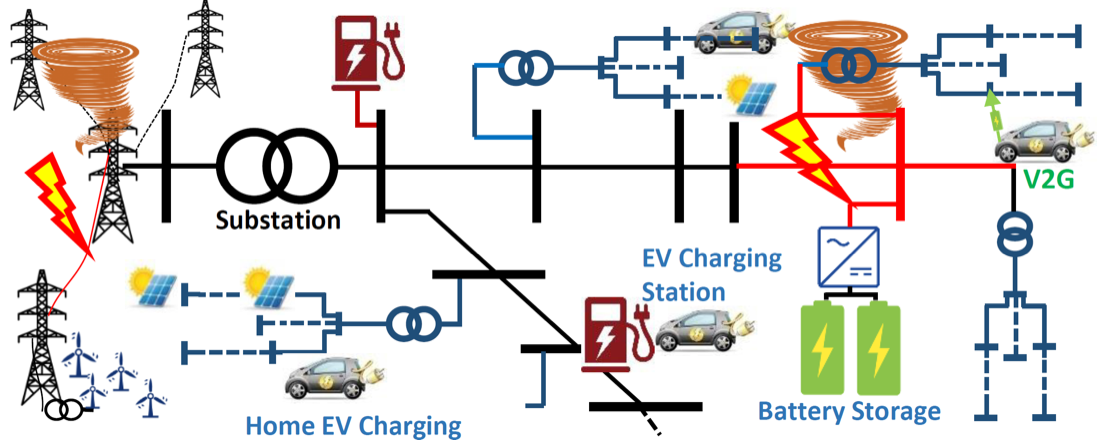
Power grid
6

Optimization and coordination of distributed generation and consumers in smart grids
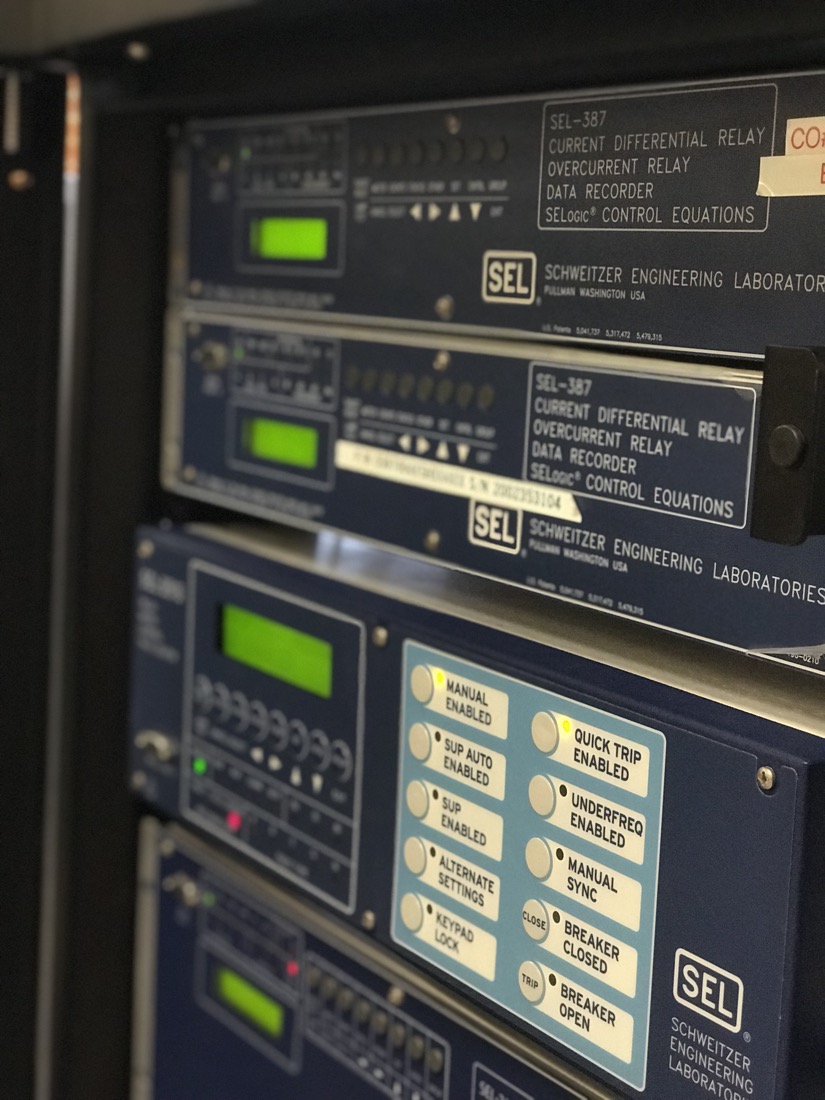
Protection relays
7

Improvement of protection systems under variable renewable generation conditions
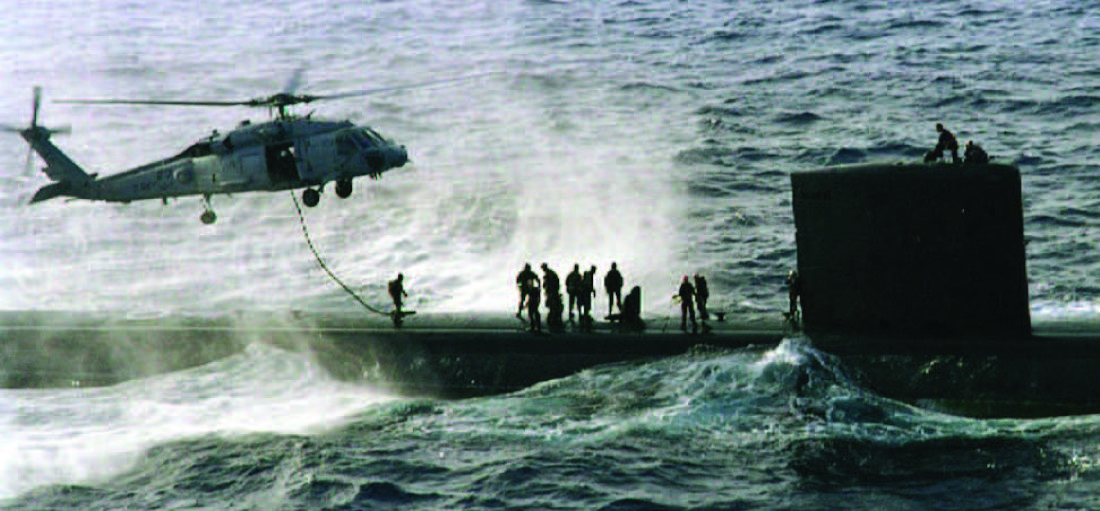
Naval shipboard power systems
8

Shipboard power and energy systems for naval and commercial vessels
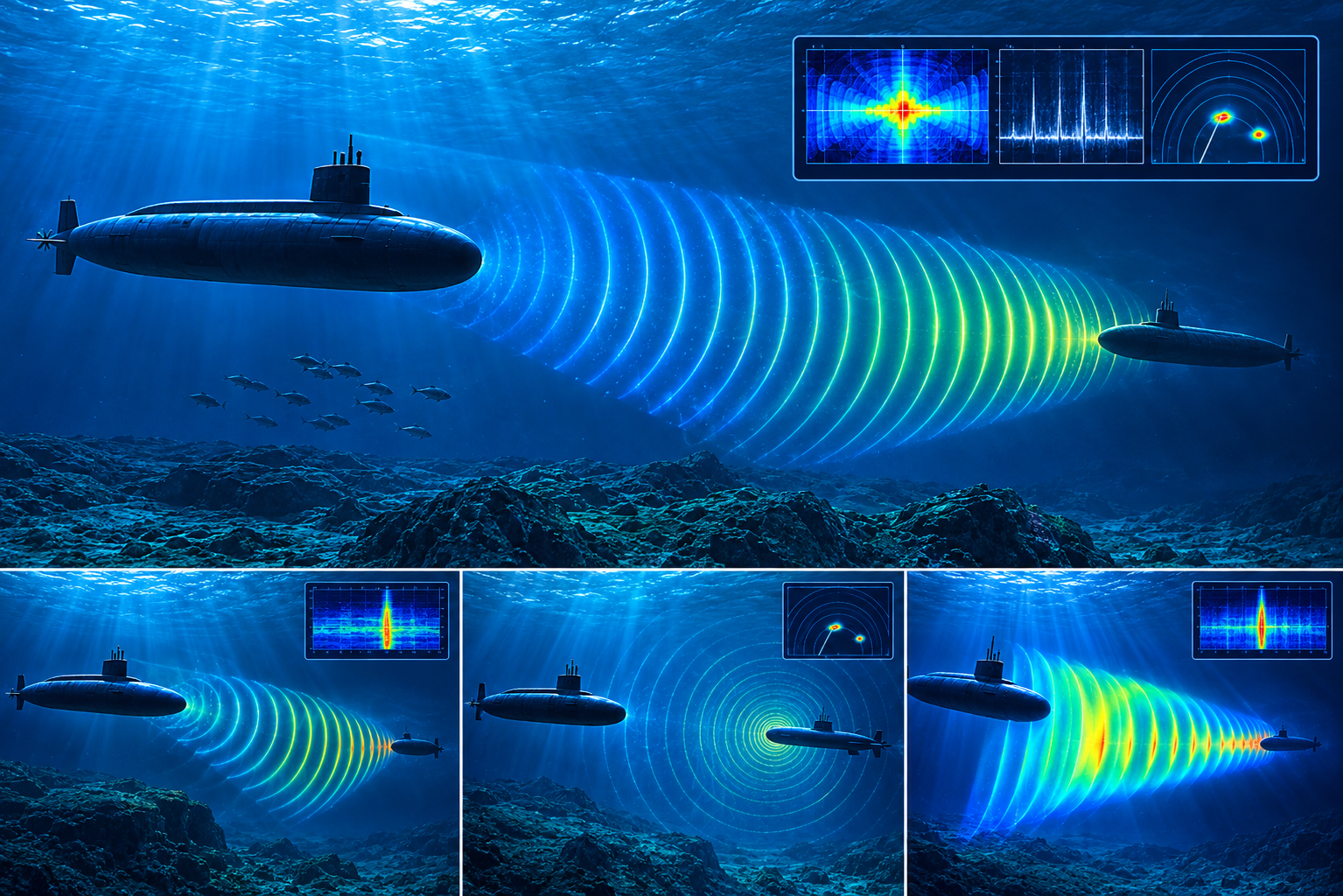
Underwater acoustics and sonar
9

Underwater acoustics and sonar spatial array signal processing

Facility

Power Quality & Resilience Laboratory

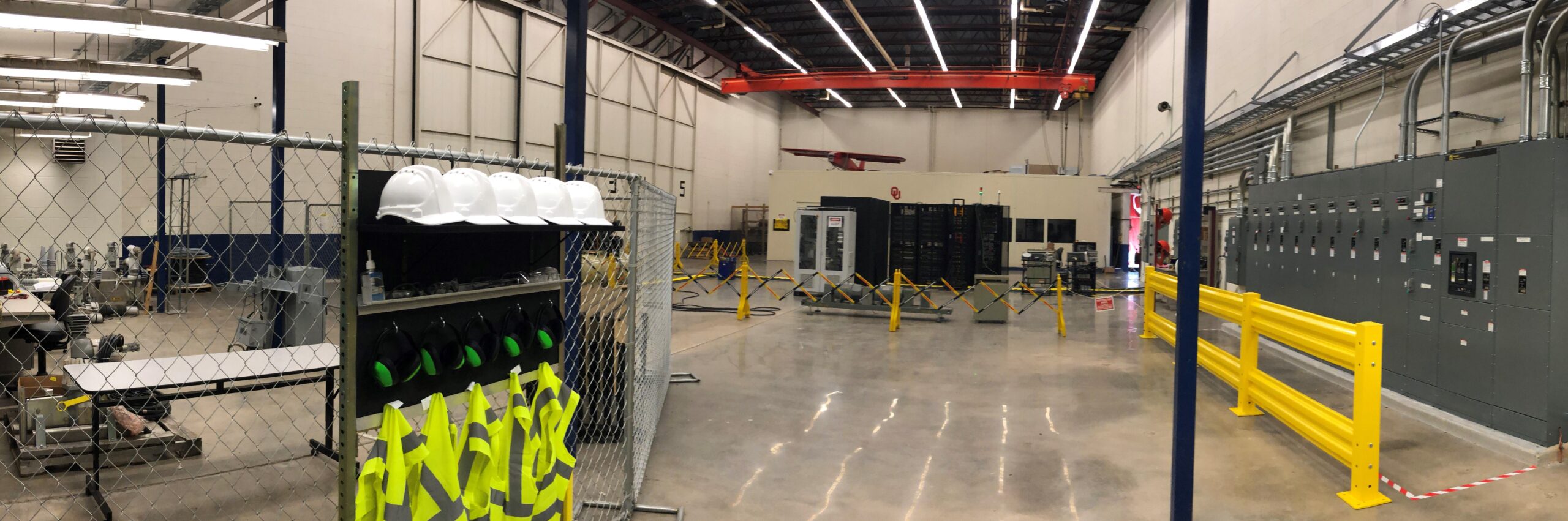
The PQR Lab facility was originated and designed by Dr. Paul Moses, and is located 3.5 miles away from Norman campus at North campus, an OU research facility near the Max Westheimer Airport in Norman.

~400 kVA
Total testing power
12.47 kV
Dedicated feeder transformer to 480 V
2 × 56 kWh
Li-Ion energy storage (400 Vdc, 57 kW)
SCADA
Fully instrumented control room

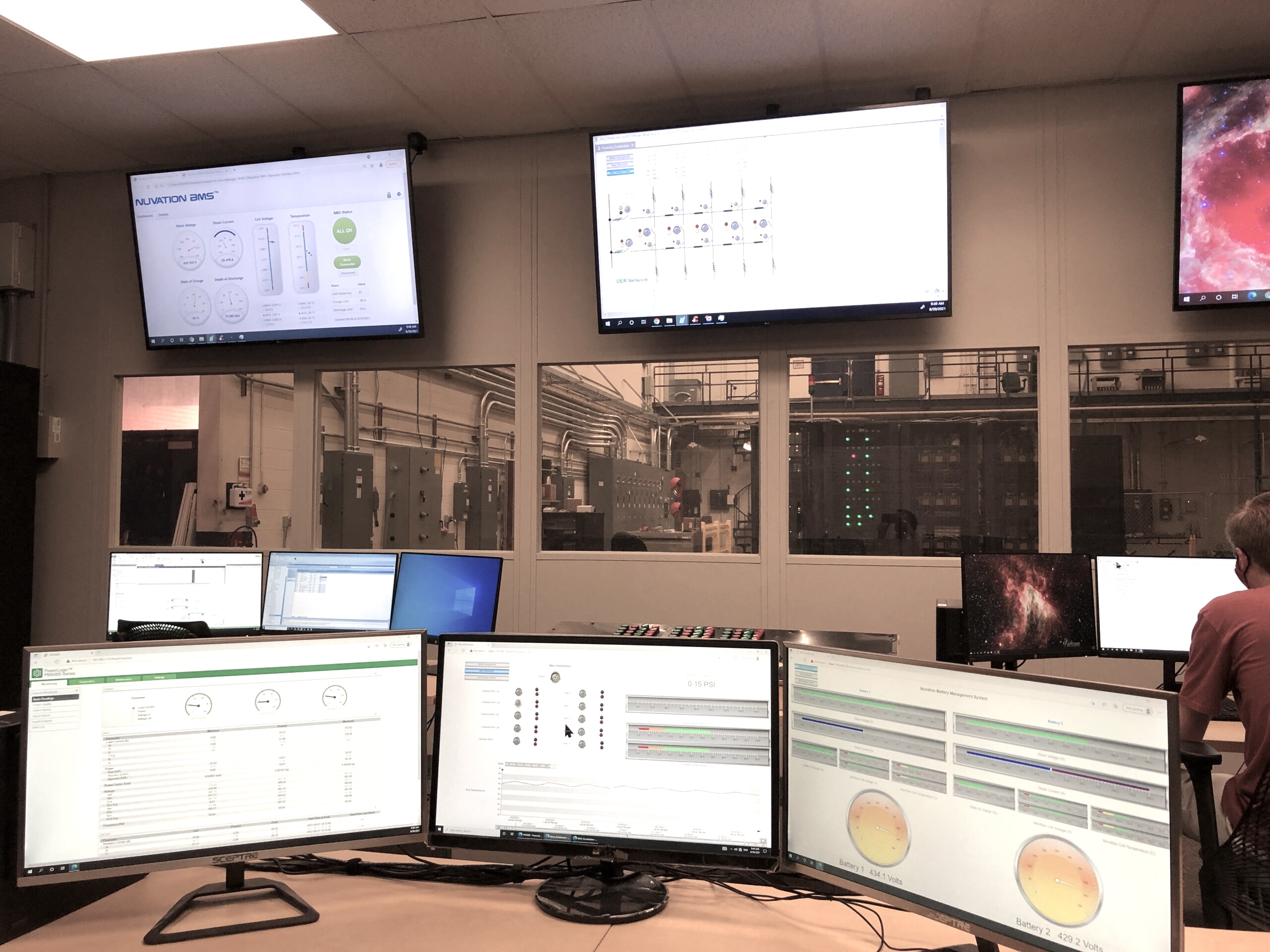
In addition to various ac/dc bench top variable power supplies, the laboratory has a 480 V three-phase feeder which is serviced by a dedicated 12.47 kV / 480 V transformer. 480 V and 208 V three-phase sources are available throughout the facility. The total testing power available is approximately 400 kVA. The facility has a fully instrumented control room with state-of-the-art protection, automation and control systems that realize supervisory control and data acquisition (SCADA) of cyber-physical systems used in utilities.

Energy Storage

The laboratory is equipped with two Lithium-Ion battery energy storage units that were furnished by Spiers New Technology. Each WattTower is rated at 400 Vdc, 56 kWh and a peak power of 57 kW. When paired with their respected inverters, these distributed energy resources can act as energy sources or sinks at various power factors enabling rapid 4 quadrant capability for electrical tests.

Solar Photovoltaic Systems

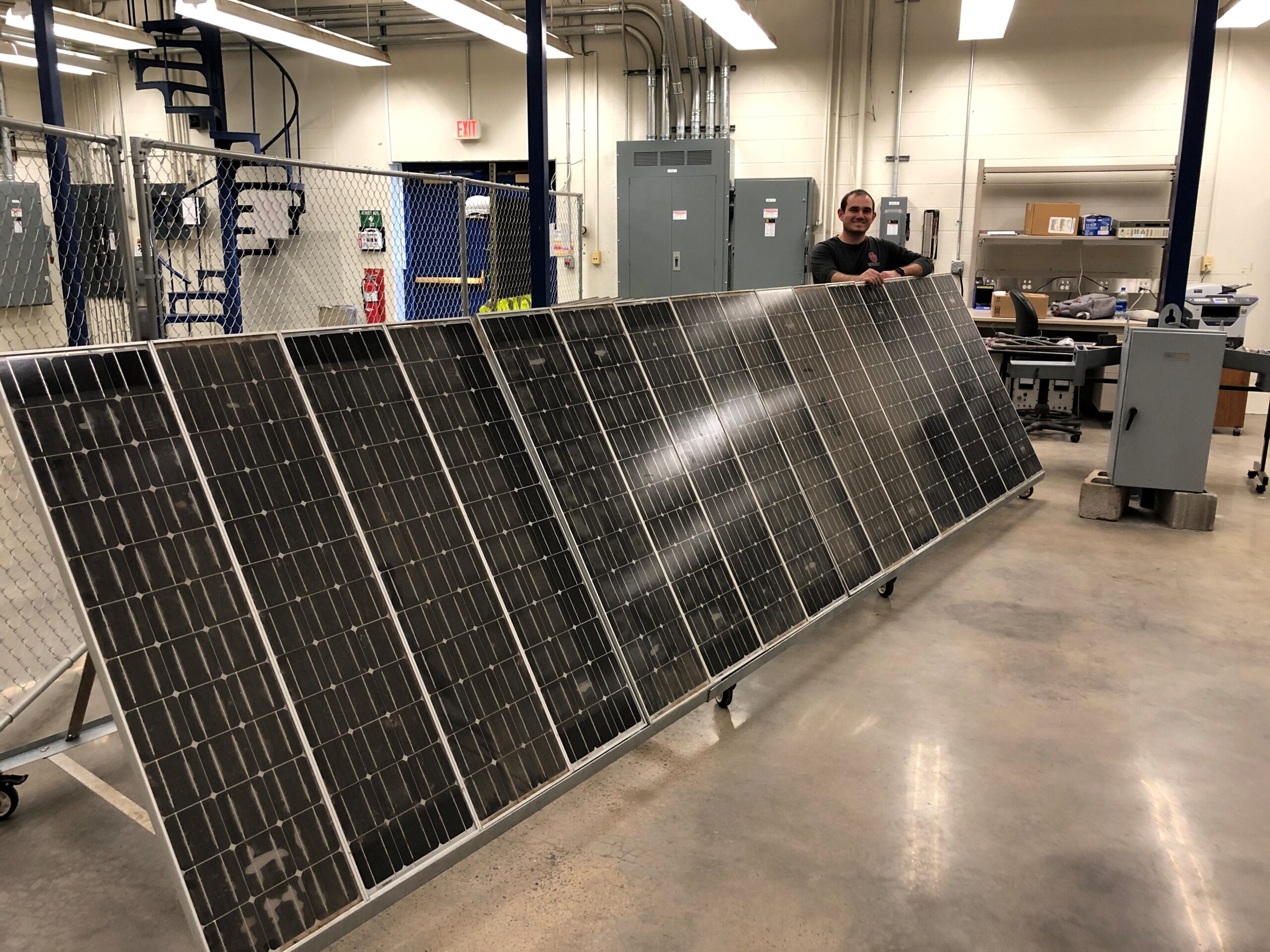
Donated Siemens solar photovoltaic panels, courtesy of Emeritus Professor Dr. John Fagan, are being used for solar photovoltaic integration studies along with IEEE 1547 compliant 3 kW KACO-5002 and 5 kW Solectria single-phase inverters donated by Oklahoma Gas & Electric Corp.

Software

Simulation & analysis tools

The laboratory has a suite of power system simulation and analysis tools. The lab SCADA system uses a combination of Schweitzer Engineering Laboratories, Siemens and Wago real-time automation software.

MATLAB-Simulink/SimscapeETAPEMTP-RVPSCADWindmilPowerWorldPSS SincalPSS-EGrid Scale XNI LabVIEWSELSiemensWago

Support & Acknowledgement

The Moses Lab gratefully acknowledges the sponsors and partners whose financial and equipment support makes our research possible.